Christmas is wonderful, and for a dog it is also a house suddenly full of hazards: rich food everywhere, toxic treats within nose-reach, a tree covered in tempting decorations, and a stream of well-meaning visitors slipping scraps under the table. Most Christmas dog emergencies are entirely preventable with a bit of awareness, so this is a run through the festive dangers worth knowing, and what to do if your dog gets into something it should not have. None of it needs to spoil the fun, it just needs you to keep half an eye out.
As always, the honest note: I am a writer, not a vet, and if your dog eats something dangerous the right move is always to call your vet or an animal poison line straight away.
The festive foods to keep well away
Christmas food is where most of the danger lives, because so many seasonal favourites are toxic or risky to dogs.
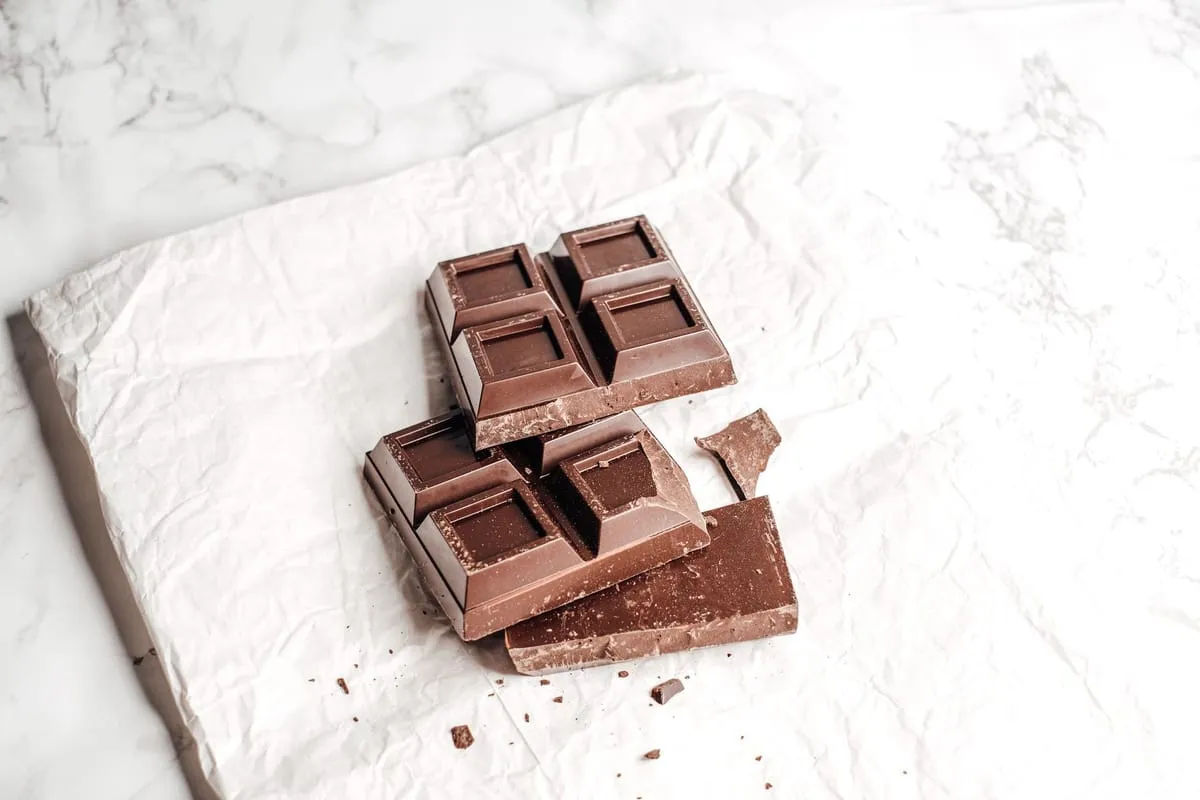
The headline hazards are chocolate, which is everywhere at Christmas, and dried fruit, since grapes, raisins, sultanas, and currants can cause kidney failure and they are packed into mince pies, Christmas pudding, and Christmas cake, all of which are dangerous. Beyond those, watch out for onions and sage-and-onion stuffing, cooked turkey bones which can splinter and cause serious harm, very fatty leftovers and skin which can trigger a painful pancreas problem, anything containing the sweetener xylitol, and alcohol in any form. It is a long list, and the theme is simple: the richest, most festive human foods are often the most dangerous, so keep them out of reach, keep the bin secured, and ask guests kindly but firmly not to feed the dog.
The tree, decorations, and plants
Beyond food, the festive decorations themselves bring a set of hazards that are easy to overlook.
The Christmas tree is a magnet for dogs: secure it so it cannot be pulled over, and be aware that fallen pine needles can irritate, and the water in a real tree’s stand can contain harmful preservatives, so cover it. Decorations are a real risk if chewed or swallowed, glass baubles can shatter, tinsel and string can cause serious internal blockages, and fairy light wires are an electrocution hazard if chewed, so keep low branches clear of tempting decorations and tuck wires away. Several festive plants are toxic or irritant too, including poinsettia, holly, mistletoe, and ivy, so keep them out of reach or out of the house. And keep an eye on lit candles and the batteries in decorations and gifts, both of which cause their own problems if knocked over or swallowed.
Keep the routine, and give your dog a bolt-hole
The last piece is about stress as much as safety, because Christmas can be overwhelming for a dog.
Amid the visitors, noise, and disruption, try to keep your dog’s normal routine of walks, meals, and rest as steady as you can, since predictability is reassuring. Just as importantly, make sure your dog has a quiet space to retreat to, away from the bustle and the guests, and let it take itself off there when it wants to rather than being pulled into the middle of everything. Ask visitors, especially excited children, to give the dog space and not to feed it. A dog that can escape the chaos when it needs to, on a familiar routine, copes far better with the festive upheaval, and a calm dog is also a less anxious, less bin-raiding one.
The bottom line is that a dog-safe Christmas is mostly about vigilance in a few predictable areas: keep the dangerous festive foods and the bin out of reach, secure the tree and decorations, keep toxic plants away, and give your dog a calm retreat and a steady routine. Do that, brief your guests, and keep your vet’s number and an animal poison line to hand just in case, and you can enjoy the season knowing your dog is safe in the middle of it.
Common questions
- What Christmas foods are dangerous for dogs?
- The big ones are chocolate, and anything with grapes, raisins, sultanas, or currants, which means mince pies, Christmas pudding, and Christmas cake are all dangerous. Also risky are onions and sage-and-onion stuffing, cooked bones from the turkey, very fatty leftovers, anything with xylitol, and alcohol. Keep all of these well out of reach, and ask guests not to feed the dog.
- My dog ate chocolate or mince pies, what do I do?
- Contact your vet or an animal poison line straight away, even if your dog seems fine, and have ready what it ate, roughly how much, and your dog's weight. Chocolate and the dried fruit in mince pies and Christmas pudding can both be seriously toxic, and prompt treatment matters, so do not wait for symptoms to appear. For chocolate specifically, our chocolate toxicity calculator can help you gauge the urgency while you call.
- Are Christmas plants poisonous to dogs?
- Several common festive plants are toxic or irritant to dogs, including poinsettia, holly, mistletoe, and ivy, so keep them out of reach or out of the house. Poinsettia is often overstated but can still cause irritation and an upset stomach, while holly and mistletoe are more of a concern. If your dog eats a festive plant, contact your vet for advice.
- How do I keep my dog calm and safe over Christmas?
- Keep to your dog's normal routine as much as you can, make sure it has a quiet space to retreat to away from the bustle and visitors, secure the tree and decorations, keep dangerous foods and bins out of reach, and ask guests not to feed it. A predictable routine, a safe retreat, and vigilance around food and decorations cover most of the risks.