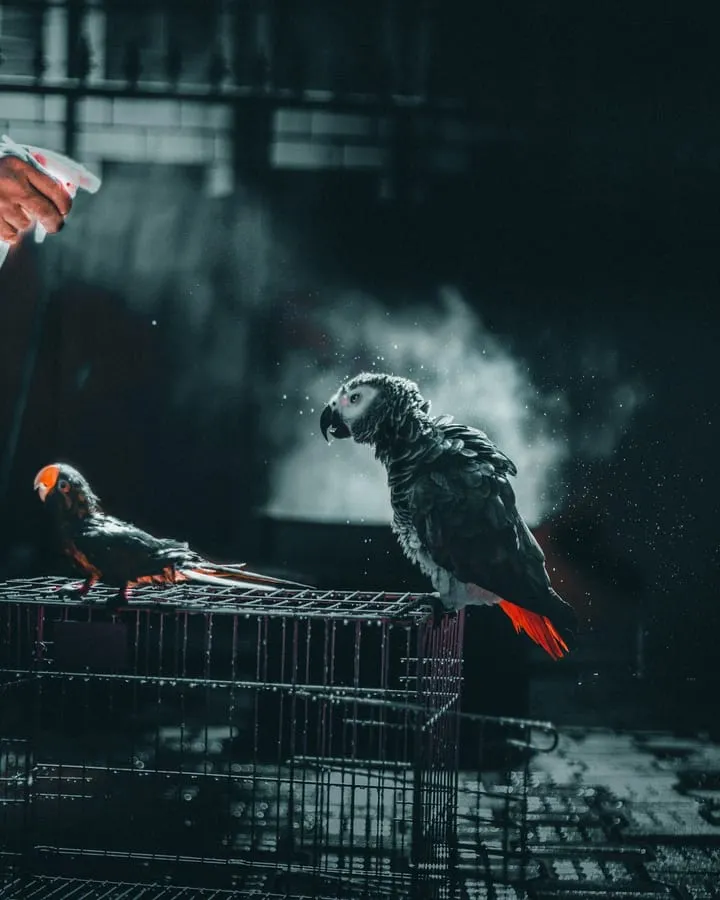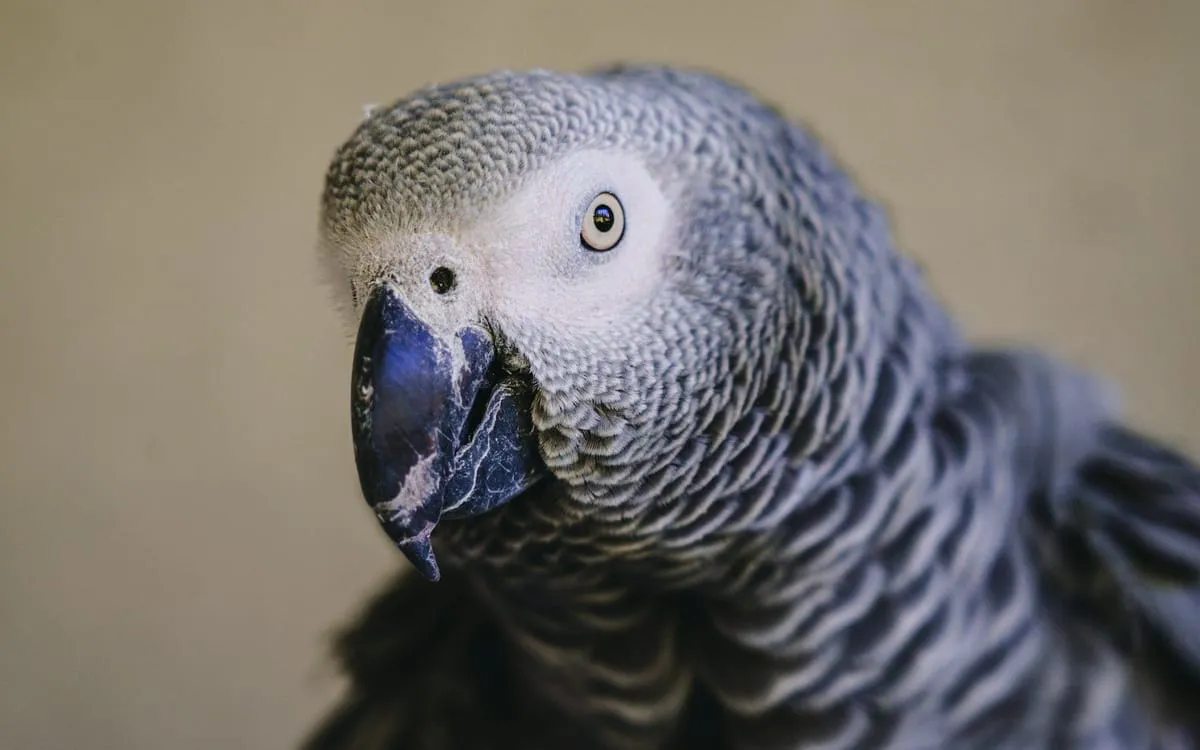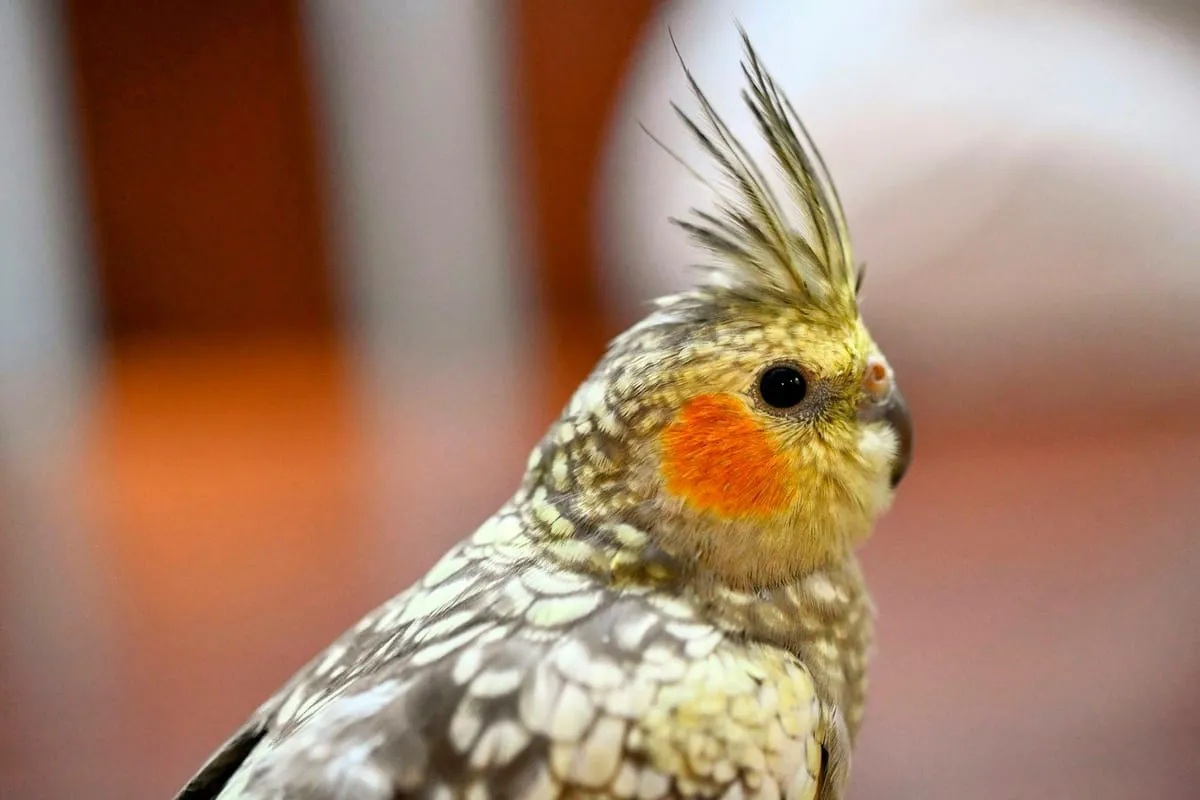
There is one fact about bird keeping that matters more than almost any other, and new owners rarely know it until it costs them: birds hide illness. A dog that feels rough looks miserable and tells you. A bird that feels rough does everything in its power to look completely normal, right up until it can no longer keep up the act, by which point it may be gravely ill. Learning to read the subtle signs, and understanding why they are so easy to miss, is one of the most important things you can do for a bird’s welfare.
Before we go on, the honest caveat I give on all health pieces: I am a writer, not a vet, and birds especially need proper veterinary care. What follows helps you spot trouble and know when to act. It does not replace an avian vet, and where the signs below appear, that is where you need to go.
Why birds are such good actors
To take the warning signs seriously, you have to understand why a bird works so hard to hide being ill, because it goes against every instinct we have about a sick pet.
In the wild, a bird is prey. A bird that looks weak or sick draws predators, and its own flock may drive it away to avoid attracting danger to the group. So evolution has hard-wired birds to mask illness, to carry on perching, eating, and behaving normally for as long as they physically can, no matter how bad they feel. Your pet parrot or budgie still runs that ancient programme. It is not being stoic, it is doing what has kept its kind alive for millions of years. The cruel consequence for us is that by the time a bird openly looks ill, it has usually been unwell for a while and may be seriously so.
That is the whole reason the subtle, early signs matter. You are trying to catch the thing the bird is actively hiding.
The subtle signs to watch for
Because a sick bird tries to look normal, the early clues are small changes from that bird’s own usual self, which is why knowing your bird’s normal is half the battle.
Watch for a bird sitting fluffed up for long stretches, feathers puffed to conserve heat, rather than sleek and active. Look for it sleeping more than usual, or resting on two feet instead of tucking one up, or sitting low and hunched. Notice eating less, or picking at food without really swallowing it, and any change in weight, which is why many keepers weigh their birds regularly to catch a quiet decline. Changes in the droppings, colour, consistency, number, are a genuinely useful early warning. And a normally chatty, busy bird that goes quiet and still is telling you something, even if you cannot say what.
The signs that mean go now
Some signs are not early warnings to monitor. They mean a bird is already in trouble and needs help urgently, because once a bird shows these it can decline within hours.
This is also why it pays to find an avian or exotics vet before you ever need one. Not every vet is equipped to treat birds, and searching for the right one during an emergency wastes the very hours that matter most. Have the number ready.
Prevention and knowing your bird
The best defence, beyond quick action, is the ordinary care that keeps a bird healthy and lets you notice quickly when something is off.
A good diet does an enormous amount here, and moving a bird off an all-seed diet is one of the biggest health improvements most owners can make, which is its own subject in what to actually feed your bird. Clean housing, good sleep, fresh water, and enough stimulation all keep a bird’s system robust. And simply spending time with your bird every day is itself a health measure, because the person who knows a bird well is the person who spots the small wrongness first.
None of this is meant to frighten you off keeping birds. They are wonderful, and most stay healthy for years. It is meant to arm you with the one piece of knowledge that bird keeping quietly depends on: your bird will hide being ill for as long as it can, so it is on you to know its normal, watch for the subtle change, and act fast when the serious signs appear. Caught early, many bird illnesses are treatable. Caught late, far fewer are, and the gap between the two is often just a matter of noticing.
Common questions
- How can I tell if my bird is sick?
- Watch for subtle changes such as fluffed-up feathers for long periods, sitting low or on the cage floor, sleeping more, eating less, changes in droppings, tail bobbing when breathing, or a normally active bird going quiet. Birds hide illness, so any change from their normal is worth taking seriously.
- Why do birds hide being ill?
- In the wild, a bird that looks sick is a target for predators and may be driven off by its flock, so birds instinctively act normal until they physically cannot. This means a bird often appears fine until it is quite unwell, which is why subtle early signs matter so much.
- When is a sick bird an emergency?
- Treat laboured breathing, tail bobbing, sitting fluffed on the cage floor, bleeding, a fall, not eating, or obvious collapse as emergencies and contact an avian vet immediately. Birds decline very fast once they show serious signs, so hours can matter.
- Do I need a specialist avian vet for my bird?
- Ideally yes. Birds are very different from cats and dogs, and an avian or exotics vet has the specific knowledge to diagnose and treat them safely. It is worth finding one before you have an emergency, so you are not searching in a crisis.